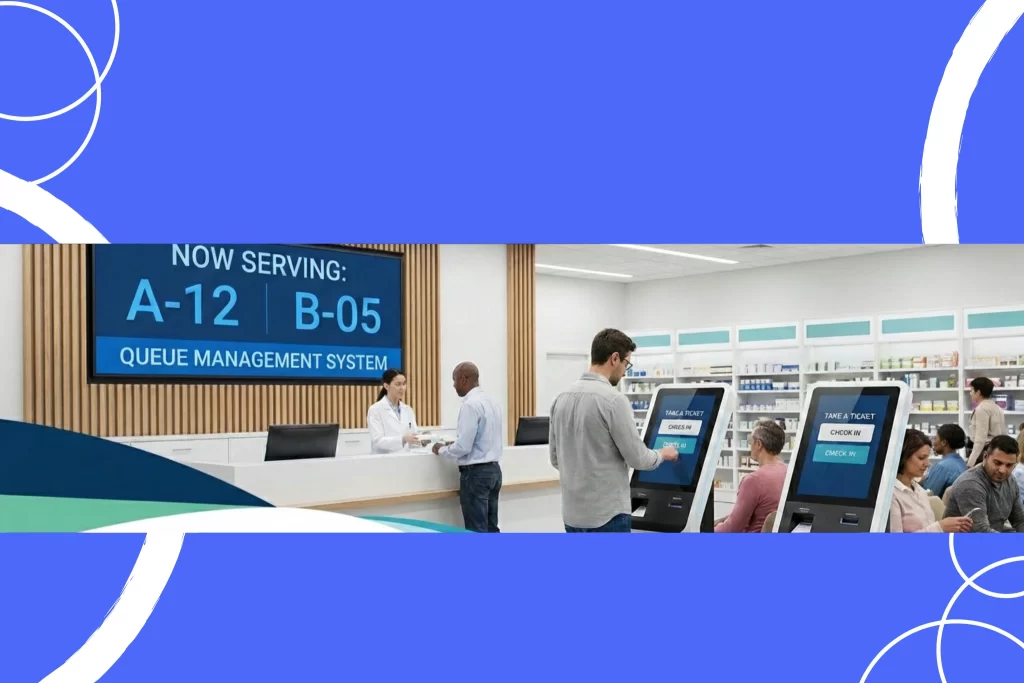
VIRTUAL QUEUING SYSTEM
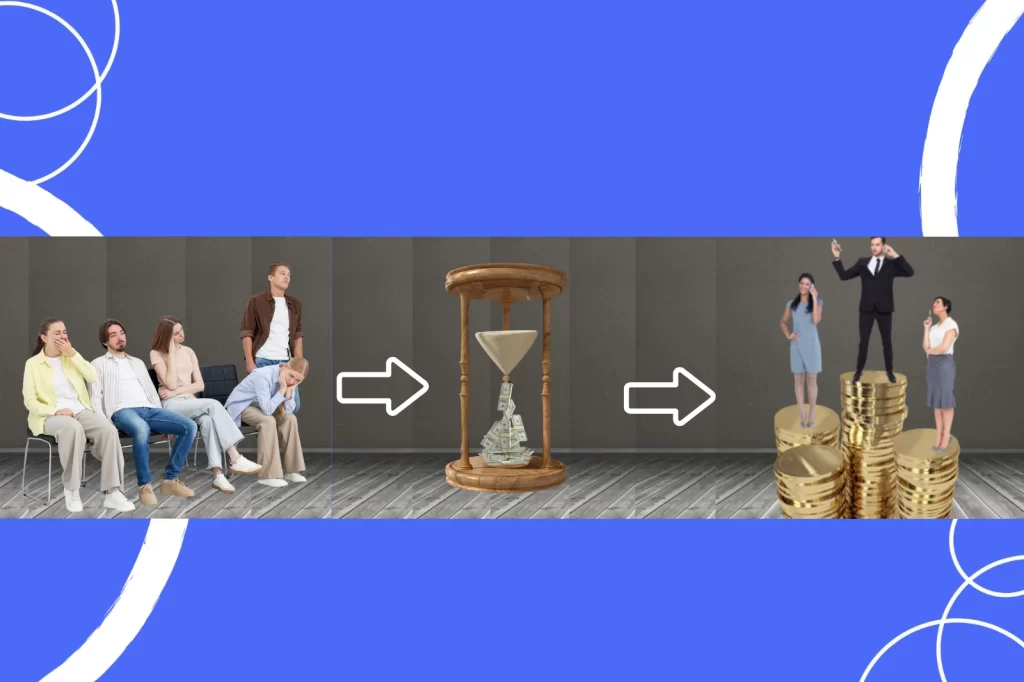
In the hyper – accelerated economy of Dubai, the most expensive commodity is no longer real estate or energy it is time. As we navigate the business realities of 2026, the traditional physical waiting line has become a revenue leak that modern UAE enterprises can no longer.
For decision makers from the luxury boutiques of Downtown Dubai to the high stake’s financial centers of DIFC, the mandate is clear: Embrace smart flow or face obsolescence.
Implementing a Virtual Queuing System is no longer a luxury elective but a fundamental requirement for operational agility ensuring that every second of a customer’s journey is optimized for value rather than wasted in a line.
- The digital mandate: Aligning with Dubai’s Economic Agenda (D33) and paperless goals:
Dubai’s Economic Agenda is not just a policy that the solutions, It is the pulse of the city. By 2026, the government has set a bar so high that physical paper tokens and manual queues feel like relics of the past century. When a residency can renew a trade license expectation to the private sectors.
A Virtual Queuing System aligns your business with the frictionless Dubai vision. If your retail store, clinic , or bank branch still requires a customer to stand in a physical line, you aren’t just behind the times—you are actively violating the digital-first standard that defines the Dubai brand.
2. The Math of the “Walk-Away”: Recapturing Lost Revenue
The most immediate ROI of a virtual queuing system is the elimination of the “Walk-Away” factor. In 2026, data from UAE retail hubs shows that the “abandonment threshold” has dropped significantly.
- The 6-Minute Rule:
Today’s Dubai consumer will wait no more than 6 minutes in a visible physical line before walking away.
- The Virtual Safety Net:
By allowing a customer to join a queue via WhatsApp or a QR code, you “lock in” their intent to buy. They are free to continue browsing your aisles or grab a coffee nearby, but they remain digitally tethered to your service cycle.
For a high-traffic store in Dubai Mall, recapturing just 5% of these “walk-aways” can translate into millions of Dirhams in recovered annual revenue.
- AI and Predictive Analytics: From Reactive to Proactive
Modern Queue Management Systems (QMS) in the UAE are now powered by AI that offers predictive analytics. This is where the ROI becomes operational rather than just psychological.
- Peak Forecasting:
AI models learn from historical data to forecast exactly when a branch will be overwhelmed (e.g., during Ramadan sales or the Dubai Shopping Festival).
- Dynamic Staffing:
Real-time dashboards allow managers to reallocate staff to high-demand counters before the bottleneck occurs.
- Result:
UAE enterprises using AI-driven systems report a 25–40% reduction in operational costs by eliminating over-staffing during slow hours and under-staffing during peaks.
- Sector-Specific Survival: Where Smart Flow Wins
Healthcare: The VIRTUAL QUEUING SYSTEM Patient Journey:
In Dubai Healthcare City, virtual queuing has revolutionized the “waiting room.” By integrating with patient files, AI-driven triage categorizes patients based on urgency, not just arrival time. This has led to a 30% increase in patient throughput without increasing the number of doctors.
Banking: The VIP Priority:
Top-tier UAE banks now integrate their QMS with UAE Pass. The moment a VIP or high-net-worth individual joins the virtual queue, the system recognizes them and routes them to a dedicated Relationship Manager immediately. This ensures that your most profitable clients never experience “wait-time friction.”
Government Services: Total Automation:
Dubai’s government centers have led the way by implementing Computer Vision to track lobby density. If the camera detects more than 10 people in a physical space, the system automatically pushes “Join Virtual Queue” notifications to nearby smartphones, maintaining social distancing and flow without human intervention.
- Cost-Benefit Analysis: The ROI of the Smart Investment:
In 2026, the cost of an AI-powered queue management system in Dubai typically ranges depending on the scale and level of AI integration (facial recognition, sentiment analysis, etc.). While the initial investment may seem high, the break-even point for most Dubai businesses is reached within 6 to 9 months.
Comparative ROI Metrics
- Psychological ROI: The “Happiness Agenda”:
Dubai’s “Happiness Agenda” isn’t just a government slogan; it’s a business strategy. Virtual queuing system solves the two biggest psychological triggers of unhappiness: Uncertainty and Unfairness.
- Transparency:
Live progress bars and SMS alerts tell the customer exactly when they will be served.
- Fairness:
Digital systems eliminate “line-jumpers,” ensuring a calm environment that boosts staff morale as much as customer satisfaction.
- Sustainability and the Paperless ROI:
The UAE’s 2026 sustainability goals have made physical thermal tickets a liability. Switching to a 100% digital, contactless token system:
- Eliminates the cost of paper, ink, and printer maintenance.
- Reduces hardware e-waste from broken kiosks.
- Aligns your brand with the “Green Dubai” initiative, which is a major reputational asset for international investors.
8.Implementation Strategy: Making the Switch:
Transitioning to a virtual queuing system in 2026 requires a phased approach:
- Audit Phase:
Identify peak hours and customer friction points.
- Selection Phase:
Choose a supplier that offers local data residency (complying with the UAE’s Personal Data Protection Law).
- Integration Phase:
Connect the QMS with your existing CRM.
- Training Phase:
Ensure staff are comfortable with the AI-driven recommendations provided by the new dashboard.
- Future Proofing: Looking Toward 2026:
As we look 2026, the evolution of Smart Flow will likely simple logic IT solutions where the virtual queuing system doesn’t just manage the line but actively solves customer problems while they wait. Imagine a system that sees a customer in the virtual queue for a loan application and pre-emptively asks them to upload their documents via WhatsApp, so they are ready for service the moment they reach the counter.
- Final Verdict: The ROI of Survival:
For a mid-sized Dubai enterprise, the ROI of a virtual queuing system is no longer a “soft” metric. It is calculated in:
- Direct Revenue:
Recapturing the 20% of customers who would have walked away.
2. Labor Savings:
Reducing manual crowd management and optimizing staff shifts via AI.
3. Asset Utilization:
Reclaiming 15–20% of floor space previously used for physical lines.
THE WINDOW OF OPPORTUNITY:
In 2026, the “wait” is over. Virtual queuing System of simple logic IT solutions it is the standard of the present. As Dubai continues its journey to becoming the world’s most connected city, businesses that fail to digitize their customer flow will find themselves disconnected from their market.
The ROI is clear: If you don’t manage your customers’ time, someone else will. Investing in Smart Flow today ensures your business doesn’t just survive in Dubai’s competitive market it thrives.