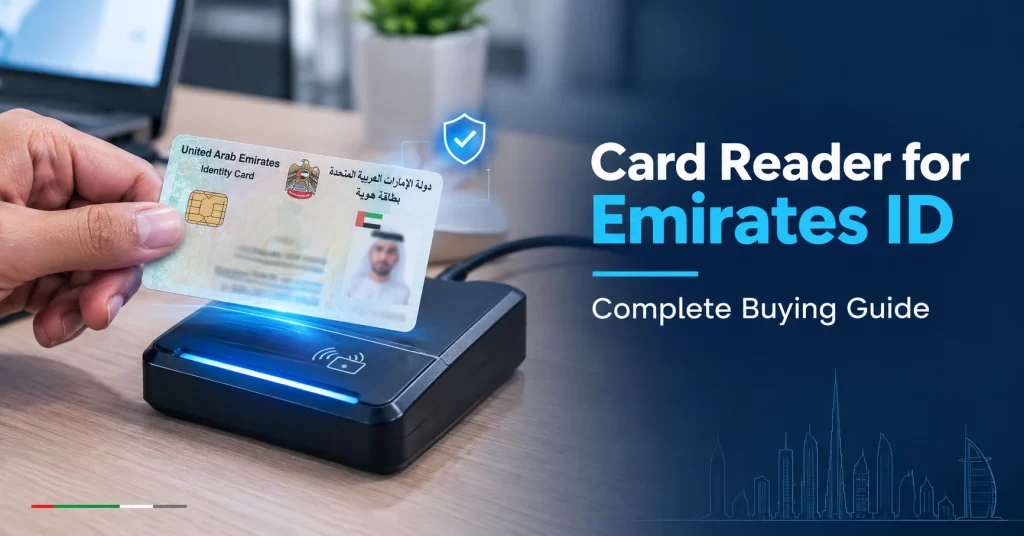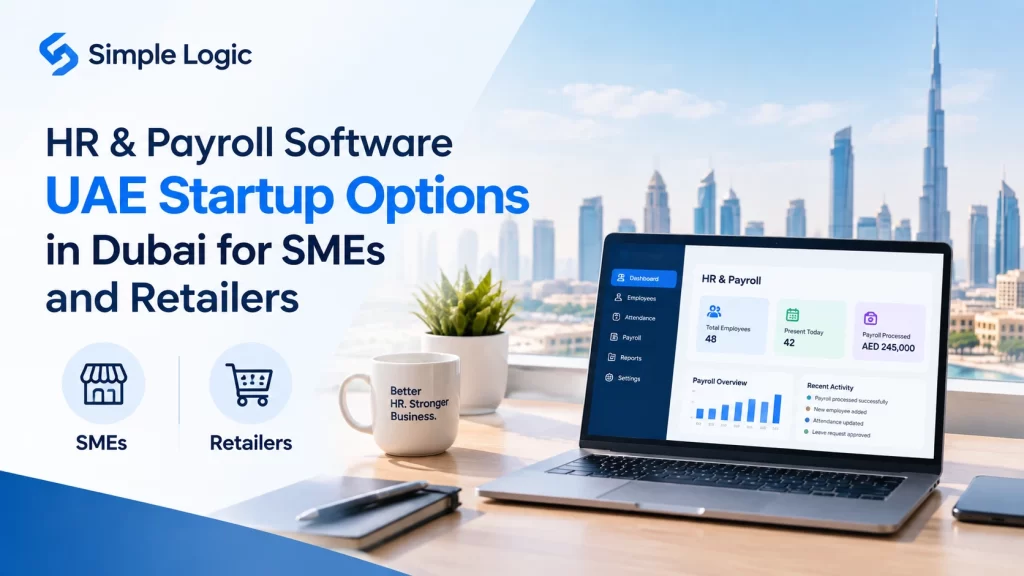
One of the most crucial functions for any Human Resources (HR) department is to look after the employee information. Companies need to manage huge amounts of employee sensitive information every day, such as personal information, work contracts, passports, Emirates IDs, visas, work schedules, and payroll information.
In the past, the majority of organizations used paper files, or spread-sheets, emails, or saved files separately which has not been so effective for big companies. As the organization grows, the process becomes very complicated because searching for the required file requires a lot of time; the information may already be obsolete, and the expiration dates may not be recorded, which leads to problems.
This is exactly the time when the role of digital HR records in the United Arab Emirates begins to grow.
With the help of an HR Management System (HRMS), the company can collect employee information in one central place and organize documents digitally, thus making them accessible and minimizing manual HR efforts.
Digital HR records refer to the electronic forms of all employee data and documents stored in a central digital platform eliminating the need for physical versions of records. The following are included in this file:
Information on employees
Contracts
Passports
Emirates ID
Visa
Offers
Certificates and qualifications
Salaries
Leave
Attendance
Performance records
Asset allocation documents
In place of having an individual file for each employee, all necessary information can be handled via a digital HRMS.
Why Are Digital HR Records Important for UAE Businesses?
The workforce in the UAE is very active, with companies frequently hiring new employees, moving employees from one department to another, renewing paperwork, accepting resignations, and organizing employee management in different places.
However, as the workforce continues to expand, it becomes more difficult for organizations to manage employee records in a manual way.
Digital HR records allow companies to organize human resources in a better way and make access to employee information easier.
For instance, instead of flipping through folders to find an employment agreement or visa, HR personnel can find the necessary information by looking at one employee’s profile without needing to refer to different documentation.
The Problems With Traditional Employee Record Management
Paper-based and spreadsheet-based HR management can create several operational challenges.
1. Difficult Document Retrieval
When employee data is kept in the form of paper-based documents or in different folders, HR departments tend to waste a lot of hours searching for the needed information.
A centralized digital record-keeping system allows only authorized HR personnel to access required information without wasting any time.
2. Risk of Missing Expiry Dates
Different employee documents, including visas, passports, contracts, and identification documents, may hold significant expiration dates.
In the absence of an acceptable tracking practice, the HR team may miss renewal dates.
Using modern HRMS helps HR departments to get reminders for renewals and keep track of important dates.
3. Duplicate or Outdated Information
When details about an employee are kept in different records and systems the same information may exist in different versions.
With a centralized employee profile, all information is at one place and has easier access to ensure that records are being updated.
4. Physical Storage Requirements
Paper employee files require physical storage space and ongoing organization.
Digital records reduce dependence on physical filing systems and allow HR teams to manage information electronically.
5. Limited Accessibility
Physical files can only be accessed from the location where they are stored.
Digital HR systems can provide authorized users with access to employee information based on their roles and permissions.
How HRMS Software Supports Digital HR Records
An HRMS brings different HR functions together into one centralized platform.
Instead of maintaining employee information separately across spreadsheets, emails, paper files, and individual systems, HR teams can manage employee data through a structured employee profile.
A typical HRMS can connect employee records with:
- Attendance
- Leave management
- Payroll
- Employee onboarding
- Employee transfers
- Asset allocation
- Performance information
- Offboarding
- HR reports
This creates a more connected approach to employee information management.
What Documents Can Businesses Manage Digitally?
The exact documents managed by an HRMS depend on the organization and its HR processes. However, businesses may digitally organize documents such as:
Employee Identification Documents
- Emirates ID
- Passport
- Visa-related documents
- Other identification records
Employment Documents
- Offer letters
- Employment contracts
- Joining documents
- Policy acknowledgements
- Employment-related forms
Professional Documents
- Educational certificates
- Training certificates
- Professional qualifications
- Licenses where applicable
HR and Employee Documents
- Leave-related records
- Performance documents
- Employee requests
- Transfer documents
- Resignation documents
- Exit and clearance documents
Keeping these records organized helps HR teams build a complete digital HR records in UAE
Digital HR Records and Employee Onboarding
Employee record management starts from the moment a new employee joins the organization.
Instead of asking new employees to repeatedly submit information through paper forms and emails, an HRMS can support a more structured digital onboarding process.
Simple Logic’s HRMS onboarding functionality supports digital collection of employee documents and onboarding workflows, helping HR teams reduce manual paperwork and track onboarding activities.
This can make the joining process more organized while giving HR teams better visibility into which documents and onboarding tasks have been completed.
Managing Document Expiry Dates
For UAE businesses, keeping track of employee documents and their validity can be an important part of HR administration.
An HRMS can help HR teams monitor relevant expiry dates and receive alerts before important documents require attention.
Instead of relying on spreadsheets or manual reminders, HR can use centralized records and automated notifications to identify upcoming renewals.
This allows HR teams to act earlier and reduces the possibility of important dates being overlooked.
Digital HR Records Across Multiple Locations
Managing employee records becomes even more challenging when a company operates from multiple offices or branches.
An employee’s information may otherwise be stored at different locations, making it difficult for HR teams to maintain consistent records.
A centralized HRMS can provide a common system for managing employee information across locations.
Simple Logic’s HRMS is designed to support businesses operating across multiple UAE locations, with centralized employee data, documents, payroll information, leave records, and other HR information.
This can be particularly useful for growing companies with employees across Dubai, Abu Dhabi, Sharjah, Ajman, and other Emirates.
Protecting Sensitive Employee Information
Employee records contain sensitive information, so should not simply mean storing documents electronically.
Businesses also need to consider who can access different types of employee information.
Role-based access can help organizations control access according to job responsibilities. For example, an HR administrator may require access to employee documents, while other employees may only need access to their own information.
A structured HRMS can therefore help organizations manage employee information while maintaining controlled access.
Digital Records During Employee Offboarding
Employee record management does not end when an employee leaves the company.
During offboarding, HR may need to manage resignation documents, clearance records, asset returns, final settlements, and other exit-related information.
An HRMS can help keep these activities connected to the employee’s digital record.
Simple Logic’s HRMS offboarding functionality supports digital exit documentation, asset clearance, final settlement processes, and structured employee record closure.
This creates a clearer record of the employee’s journey from joining to exit.
How Digital HR Records Improve HR Efficiency
Moving from manual employee files to digital HR records can provide several operational benefits.
Faster Information Retrieval
HR teams can search and access employee information without going through physical files.
Less Paperwork
Digital documentation reduces dependence on paper-based processes.
Better Organization
Employee information can be structured within centralized employee profiles.
Improved Accuracy
A centralized system can reduce repetitive data entry and inconsistencies between different records.
Better Visibility
HR managers can gain a clearer view of employee information and workforce data.
Easier Reporting
HRMS reporting tools can allow HR teams to generate reports based on employee information, departments, locations, and other criteria. Simple Logic’s reporting module supports centralized employee data, document management, advanced filters, and customized HR reports.
Digital HR Records Are More Than Paperless HR
It is important to understand that digital HR records are not simply about scanning documents and saving them on a computer.
True digital HR record management is about creating an organized system where employee information can be:
- Stored centrally
- Updated efficiently
- Retrieved quickly
- Protected through controlled access
- Connected with other HR processes
- Used for reporting and decision-making
- Tracked throughout the employee lifecycle
This is where HRMS software becomes valuable.
Choosing an HRMS for Digital HR Records in UAE
Businesses considering an HRMS should look beyond basic employee database functionality.
Important features to consider include:
Centralized Employee Profiles
Employee information and documents should be available through an organized employee profile.
Document Management
The system should allow HR teams to upload, organize, and manage important employee documents.
Expiry Alerts
Automated reminders can help HR teams stay aware of upcoming document renewals.
Role-Based Access
Different users should have appropriate access to sensitive HR information.
Employee Self-Service
Employees should be able to access or update permitted information without depending entirely on HR.
Reporting and Analytics
HR teams should be able to generate useful reports from centralized employee data.
Integration With Other HR Functions
Digital employee records become more useful when connected with attendance, leave, payroll, onboarding, asset allocation, and offboarding.
How Simple Logic HRMS Supports Digital Employee Records
Simple Logic’s HRMS provides a centralized approach to employee information management for businesses in the UAE.
The platform brings employee profiles, documents, attendance, leave, payroll, onboarding, asset allocation, offboarding, reporting, and HR analytics into a connected HR environment.
Its employee record functionality can include documents such as passports, contracts, visas, certificates, and offer letters, with expiry alerts and controlled access.
For businesses looking to reduce paperwork and create a more structured approach to employee information, an HRMS can be an important step toward digital HR management.
As businesses grow, maintaining employee information through paper files and disconnected spreadsheets can become increasingly difficult. A centralized HRMS can help organizations organize employee records, monitor important documents, improve accessibility, reduce repetitive administrative work, and connect employee information with other HR processes.
Digital HR records are therefore not simply about replacing paper. They are about creating a more organized, accessible, secure, and efficient way to manage the employee journey.