Clinic Token System: Benefits, Features and Costs
Managing patient queues well is very important for clinics that want to provide a healthcare experience. Long waits, crowded waiting areas and old ways of handing out tokens can cause frustration for patients. It makes the job harder for staff at the desk. A clinic token system helps medical facilities keep things running smoothly manage service desks effectively and improve the experience for patients. Digital queue systems make this possible by allowing patients to check in quickly and track their turn without needing to stay in the waiting room. This reduces stress. Digital queue systems keep the clinic operating in an efficient way.
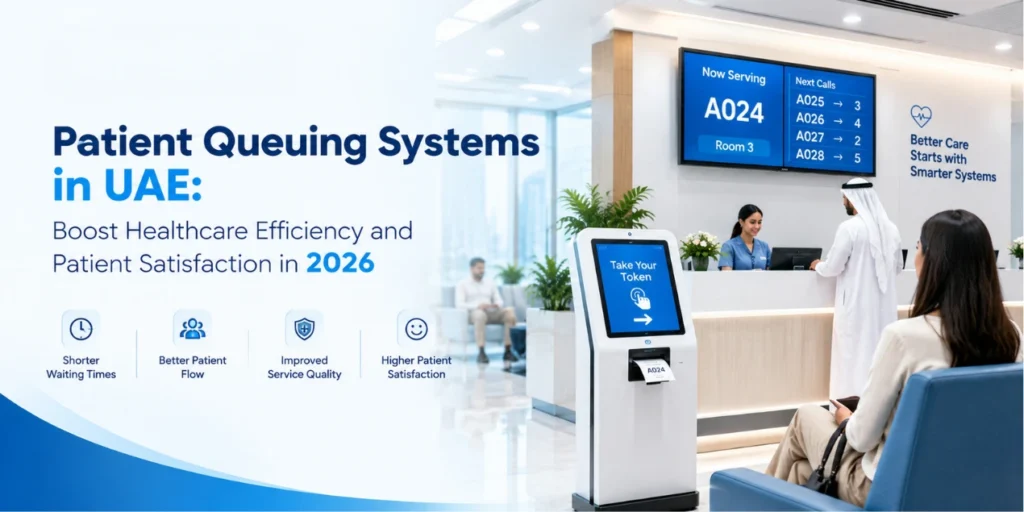
In the UAE clinics see patients from cultures and handle both scheduled visits and walk‑ins. A self‑service clinic token system can make daily work easier. Patients can check their position in the line. Relax while they wait for their turn to be called.
Simple Logic IT provides queue management solutions designed to help healthcare facilities and other service‑oriented businesses organise customer flow through tokens, self‑service kiosks, queue displays and monitoring tools.
A clinic token system is a way to manage waiting times. A clinic token system gives each patient a number instead of making them stand in line. When a patient arrives a clinic token system gives the patient a token. Then the patient can wait in an area. A clinic token system calls out the number when it is time for the patient to be seen. A clinic token system helps avoid confusion and reduces the need to keep asking the reception staff what time it is. A clinic token system lets patients know their turn is coming when the number is called.
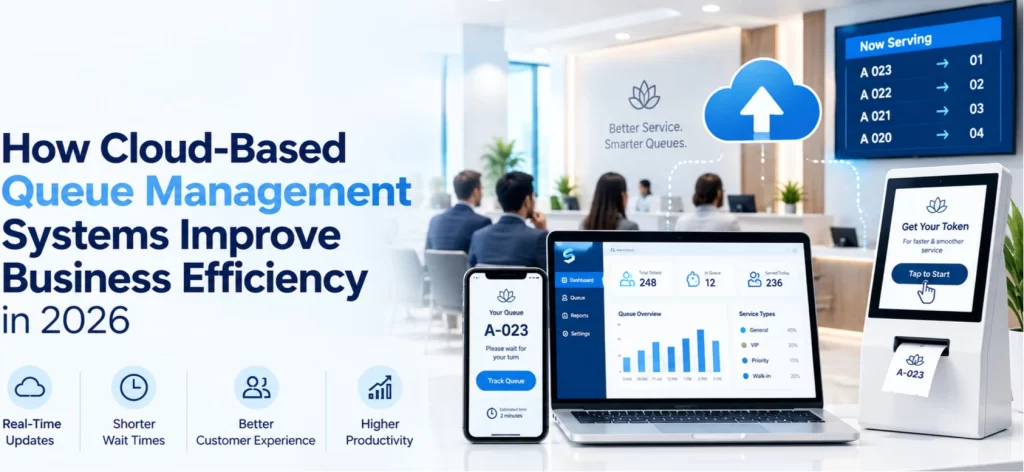
A modern clinic token system can have self‑service kiosks, token ticket printers, digital display screens, service counter management, mobile notifications and reporting dashboards.
For example when a patient arrives at a centre in Dubai the patient can choose the needed service at a self‑service kiosk. Receive a numbered token. A clinic token system then keeps track of the queue. Displays the token number when the patient is ready to be seen.
This approach helps clinics manage arrivals systematically and gives reception staff a clearer view of the queue activity.
How Does a Self‑Service Clinic Token System Work?
A self‑service clinic token system follows a path that guides patients through each step of their visit.
- Patient Registration and Token Generation
When patients arrive they can pick up a token from a self‑service kiosk or from staff at reception. Depending on the system setup patients can choose the needed service such as a check‑up, a specialist visit, lab tests or pharmacy help.
2. Automatic Queue Organisation
When a token is generated a clinic token system places the patient in the queue. Clinics can organise queues for departments, counters or service types according to their operational requirements.
3. Digital Queue Display
Digital display screens show numbers that are being called and the service counter that is next. Visual displays and audio announcements help patients know when it is their turn.
4. Patient Notification
When the system supports it and is set up properly sending SMS or mobile notifications can help inform patients about their queue status. A clinic token system keeps them updated without needing to keep going to the reception desk.
5.Service Completion and Reporting
After a patient receives the service a clinic token system logs the queue activity. Managers can then use reporting and analytics tools to look at waiting times how many patients were served and overall performance of operations.
Key Benefits of a Clinic Token System
- Reduced Waiting Room Congestion
Many people in the waiting area can make clinic visits stressful especially when the clinic is busy. A clinic token system helps manage how patients move through the clinic. Patients no longer need to stand in line at the reception. Instead they can sit comfortably in a waiting area. Wait for their turn. A clinic token system keeps the reception area calm. Reduces the sense of crowding.
2. Improved Patient Experience
Patients get an experience when they know what to expect. With a clinic token system each patient receives a number. Can see where they stand in the queue. A clinic token system gives patients control. Reduces anxiety. Patients do not have to guess when it will be their turn. A clinic token system makes the process feel fair and organised which makes the visit stressful and more pleasant for everyone.
3.Better Reception Staff Productivity
Manual token distribution and repeated questions, about queue positions can take up staff time. Automating queue tasks allows reception staff to focus on registration helping patients and other administrative work.
4.Organised Department and Counter Management
Clinics that offer services can set up separate queues for consultations, laboratory tests, pharmacy collection and other departments. Queues direct patients to the correct service point.
5.Improved Queue Visibility
Digital displays and queue monitoring tools make it easier to see which tokens are being handled and how queues are moving. This information allows staff to manage service delivery smoothly.
6.Data-Driven Operational Decisions
Features that provide reports and analytics help clinic managers examine queue activity, spot times and see how services are used. These details guide planning for staff and operations.
Essential Features of a Clinic Token Management System
When choosing a clinic token system healthcare providers should consider features that match their volume, service structure and operational needs.
Essential Features of a Clinic Token Management System
When choosing a clinic token system healthcare providers should consider features that match their volume, service structure and operational needs.
Digital Display Screens
Display screens show numbers and service counter information helping patients identify when and where they should proceed.
Appointment and Walk‑In Management
Clinics that accept both scheduled appointments and walk‑in patients need a system that supports both workflows. Exact queue rules can be set up according to the clinic’s scheduling requirements.
Multi‑Department Queue Management
A multi‑department queue management system can organise flow across different service areas, such as general practice, specialist consultations, diagnostic services and pharmacy counters.
Self‑Service Token Kiosk
A touchscreen kiosk lets patients select a service and obtain a token without staff issuing every ticket. This is especially useful for clinics with walk‑in visits.
Real‑Time Queue Management
Queue management software lets staff monitor queue activity. Manage token calling. Depending on the configuration tokens can be called automatically or manually.
Mobile Token Management and Notifications
Mobile‑based queue features let patients receive updates or monitor their queue status without standing beside the reception desk. Notification channels depend on the chosen implementation.
Reporting and Analytics
Queue reports help managers understand service activity waiting patterns and counter performance. Available reports depend on the software modules selected.
Clinic Token System Costs in the UAE
The cost of a clinic token system in the UAE depends on the clinic’s size, number of service counters, hardware requirements, software features and integration needs. No single price applies to every healthcare facility.
Before requesting a quotation clinics should assess the following cost factors.
- Hardware Requirements
Hardware expenses may include self‑service kiosks, token printers, digital display screens, speakers and other equipment required for the clinic’s setup.
- Software Features
A basic token management system may require features than a solution with advanced queue analytics, appointment scheduling, mobile notifications and multi‑department management.
- Number of Counters and Departments
Clinics operating consultation rooms, laboratory counters and pharmacy service points may need additional configuration and equipment.
- Installation and Staff Training
Implementation costs can depend on hardware installation, software configuration, workflow customisation and training requirements.
- Integrations and Ongoing Support
Connecting the queue management system with existing clinic software, patient management systems or other business applications may affect the project cost. Maintenance and technical support should also be considered where applicable. Software subscription charges may add to the cost.
How can clinics estimate the budget?
Start by identifying the number of counters, patient volume, required token issuance methods, display requirements and reporting features. Request a quotation based on these requirements rather than comparing systems on hardware price alone.
For pricing and implementation details clinics can contact Simple Logic IT to discuss their queue management requirements.
How to Choose the Right Clinic Token System
Selecting the solution requires more than choosing a kiosk or token printer. Clinics should evaluate the patient journey, from arrival and registration, to queue calling and service completion.
Consider the following questions before making a decision:
* Does the system support the clinic’s volume and service workflow?
* Can patients obtain tokens through self‑service kiosks. Assisted registration?
* Are display screens and audio announcements available?
* Can the system manage departments and service counters?
* Are appointment and walk‑in workflows supported where required?
* Does the system provide reports and queue monitoring?
* Can the solution be configured for the clinic’s language and communication requirements?
* What installation, training, support and integration services are included?
A solution that fits the clinic’s work can make queue visibility better help staff coordinate and make patients more comfortable.
Why Consider Logic IT for Clinic Queue Management?
Simple Logic IT gives a Queue Management System that is made to organise how customers move in healthcare sites and other service places in the UAE.
The system’s published features are self‑service kiosk check‑in, token handling, digital display screens, mobile alerts, online booking, queue watching data analysis and feedback after service.
For clinics these features can set up a process for receiving patients and sending them to the right service counter.
Healthcare providers can find more about the features. How to set up the system on the Simple Logic IT Queue Management System service page.
Before picking a solution clinics should talk about their workflow, needed modules, hardware needs and how the system will fit in with other tools.
A clinic token system can help health sites keep queues tidy make reception steps smoother and give patients a clearer waiting experience. From kiosks and screens to queue watching and reports the right tools can make clinic work faster.
For clinics in Dubai, Sharjah, Abu Dhabi and other UAE places picking a system that matches their patient numbers, department layout and service needs is a move to better queue control.
Simple Logic IT’s Queue Management System gives tools made to help customers move in order and manage service.
Clinics that want a better patient queue can look at the Queue Management System and call the team to talk about what they need.
Ready to set up your clinic’s queues? Look at the queue tools we offer and ask for a talk about a set‑up, for your health site.